Roswell Plumbing Blog
Red Clay, Crawl Spaces and Slow Leaks Under Roswell Floors
How to tell a slow plumbing leak from a red clay drainage problem in a Roswell crawl space, and the checks to make from the access door.
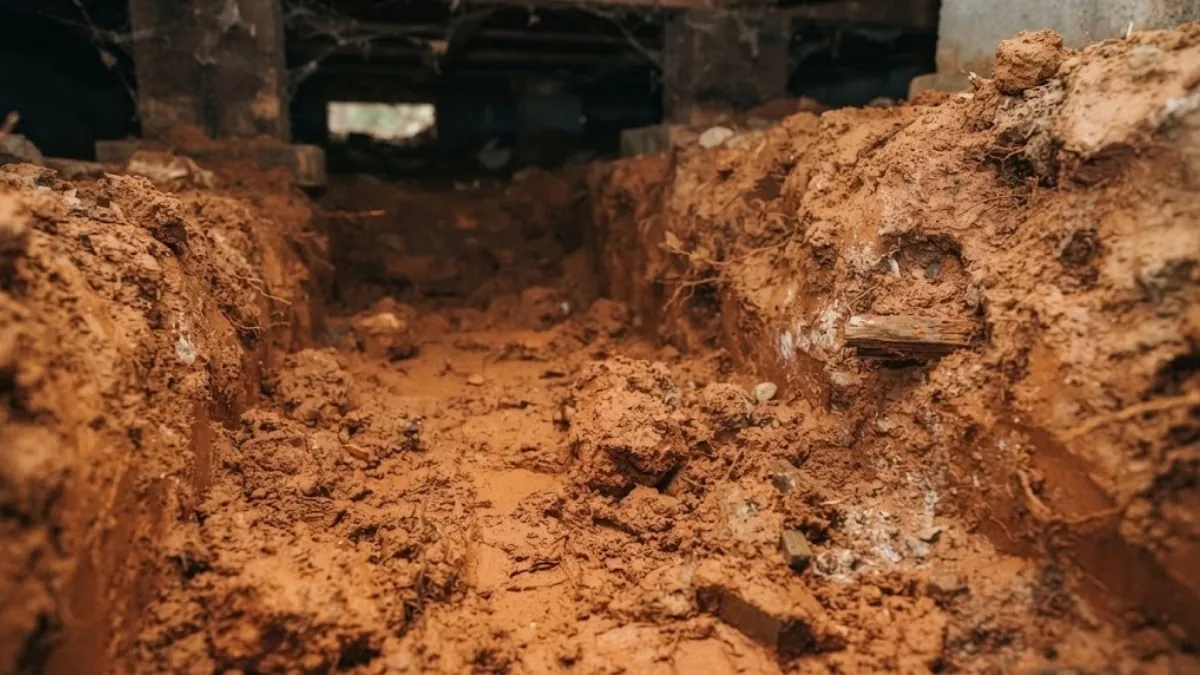
Out of Sight
The Leak Nobody Sees for Months
Burst pipes announce themselves. Slow leaks under a raised floor do not. In a Roswell house over a crawl space, a supply fitting can drip for months onto the vapor barrier. A drain joint can seep a little with every shower. Often the first sign is a musty smell, a sagging floor or a water bill that crept up.
Roswell's terrain makes this common. Hilly lots mean many homes, especially from the 1960s through the 1990s, were built over crawl spaces or partial basements. Georgia's red clay makes it worse by holding water instead of draining it away.
How Red Clay Changes the Picture
Piedmont clay has fine particles that hold moisture and drain slowly. Water that reaches a crawl space from a leak or from outside tends to stay there, keeping humidity high and wood damp. After heavy rain, saturated clay around the foundation can push water into the crawl space even with no plumbing problem at all.
That creates a diagnostic question: is the water coming from pipes or from the outside? The answer decides who you call. A plumbing leak is a repair. Surface or groundwater is a grading, gutter or drainage issue, sometimes solved with a sump pump.
Diagnosis
Plumbing Leak or Drainage Problem?
Clues that help tell the two apart.
| Clue | Points to plumbing | Points to drainage |
|---|---|---|
| Water meter moves with all water off | Yes | No |
| Wet area directly under a bathroom or kitchen | Yes | Sometimes |
| Water appears after rain and dries in dry weather | No | Yes |
| Water along the foundation wall on the uphill side | Rarely | Yes |
| Smell of sewage | Yes, a drain leak | No |
A meter test is the fastest first check. If the meter moves with everything off, a pressurized supply leak is likely, and leak detection can find it before any flooring is opened.
What to Do Before Anyone Crawls Under There
Safe checks you can make from the access door.
- Smell and look. Musty or sewage odors, standing water, insulation hanging down.
- Run the meter test. Everything off, watch the leak indicator.
- Run water upstairs. Have someone run a shower while you listen at the access door for drips.
- Check the outside. Gutters, downspouts and grading on the uphill side of the house.
- Stay out of standing water near wiring. Leave the crawling to someone equipped for it.
Photos from the access door help a plumber plan the visit.
Fixing It
Repairs That Last Under a Raised Floor
Once the leak is found, the repair itself is often simple because crawl space pipe is exposed. The more important work is what comes with it. Drain lines that sagged between failed hangers need re-hanging at proper spacing, and supply lines near vents and outside walls need insulation before the next cold snap. Our crawl space plumbing page covers those repairs in detail.
After the leak is fixed, let the space dry and watch it through a rain or two. If water still appears only after storms, the remaining problem is drainage, not plumbing.
Split-level and ranch homes in Sandy Springs built on the same clay deal with the same pattern, and the same meter test sorts it out.
Moisture Control
Vapor Barriers, Vents and Encapsulation
Most Roswell crawl spaces have a plastic vapor barrier over the soil. Its job is to keep ground moisture from rising into the space. Over the years barriers get torn, pushed aside or covered in debris, and moisture from the clay moves straight into the air under the house. Replacing a damaged barrier is a simple, inexpensive improvement.
Foundation vents are a trade-off. In a Georgia summer, venting humid outdoor air into a cool crawl space can actually add moisture. In winter, open vents expose pipes to freezing air. Some homeowners close vents seasonally. Others encapsulate the crawl space, sealing it with a heavy liner and managing humidity mechanically. That is a larger project handled by crawl space and waterproofing contractors rather than plumbers.
Who to Call
Plumber, Waterproofer or Gutter Crew?
The right trade depends on the source. A moving meter, water under a bathroom or a sewage smell is a plumber's job. Water that appears along the uphill foundation wall after storms is usually a drainage or waterproofing issue, often fixed with regrading, gutter and downspout extensions, or an interior drain and sump pump. Standing humidity with no liquid water may be a ventilation or encapsulation question.
Starting with the meter test and a look after a dry spell saves money, because it keeps you from paying one trade to solve another trade's problem.
Tell Them Apart
Plumbing Leak or Groundwater? Clues Under the Floor
Water in a crawl space does not always come from a pipe. After days of rain, Piedmont clay stays saturated and groundwater can seep through foundation walls or pool on the vapor barrier, especially on the uphill side of a sloped lot. That water usually shows up after storms and along the walls.
A plumbing leak behaves differently. It persists in dry weather, it tends to sit under a bathroom, the kitchen or the water heater, and the water meter moves with every tap closed. A musty smell that gets worse when a particular fixture runs points at its drain.
The fix follows the source. Groundwater is a drainage problem, sometimes solved with a sump. A leaking supply or drain line is a plumbing repair, covered on our crawl space plumbing page. Confirming which one you have before paying for either saves money. The IPC, the basis of Georgia's plumbing code, also sets how often pipe under a floor must be supported, so a leak found near a sagging, poorly supported line usually means re-hanging it as part of the repair.
Questions
Crawl Space Leak Questions
Some humidity is normal in Georgia, especially in summer. Standing water, wet insulation, a steady drip or a meter that moves with everything off are not normal and point to a leak or a drainage problem.
Many homeowners policies cover sudden water damage but exclude damage from leaks that continued over a long period. That is one more reason to catch slow leaks early.
It can help in an encapsulated crawl space, but it treats the symptom. Fix leaks and outside drainage first, then decide whether humidity control is needed.
Sources for This Page
Soil behavior reflects Georgia Piedmont clay characteristics. Foundation patterns reflect Roswell's sloped terrain as described by local plumbing contractors. Insurance notes reflect common homeowners policy exclusions for long-term leaks.
Written by the Roswell 24/7 Plumbing team and checked against the sources above. Last reviewed October 1, 2026.
Something Wet Under the House?
Call and we will find out whether it is plumbing or drainage.
Call (770) 214-4545