For Clogs That Keep Coming Back
Hydro Jetting in Roswell, GA
High-pressure water scours grease, scale and roots off the whole inside wall of a drain or sewer line, the fix for Roswell clogs that a cable only punches through.
- Camera check first on older pipe
- Kitchen, main and sewer lines
- Commercial grease lines
Jetting at a Glance
Pressure and nozzle are matched to the pipe, not maxed out.
Sound Familiar?
The Drain Was Snaked, Then Clogged Again a Few Weeks Later
That pattern is the most common reason people end up needing hydro jetting, even if they have never heard the term. A cable machine pushes through a clog and opens a channel, but whatever is caked on the rest of the pipe wall, whether grease, scale or a mat of roots, stays put. Water flows for a while, the channel closes, and the drain backs up again.
Other signs point the same way: a kitchen sink that clogs every few months, a main line that needs clearing more than once a year, or a cable that keeps coming back wrapped in fine roots. Restaurants see it in grease lines. In every case the fix is cleaning the whole pipe wall rather than poking another hole through the middle.
Roswell 24/7 Plumbing jets kitchen branches, main building drains and sewer laterals across Roswell and nearby towns such as Dunwoody, usually after a camera check shows what is in the pipe.
How Hydro Jetting Works
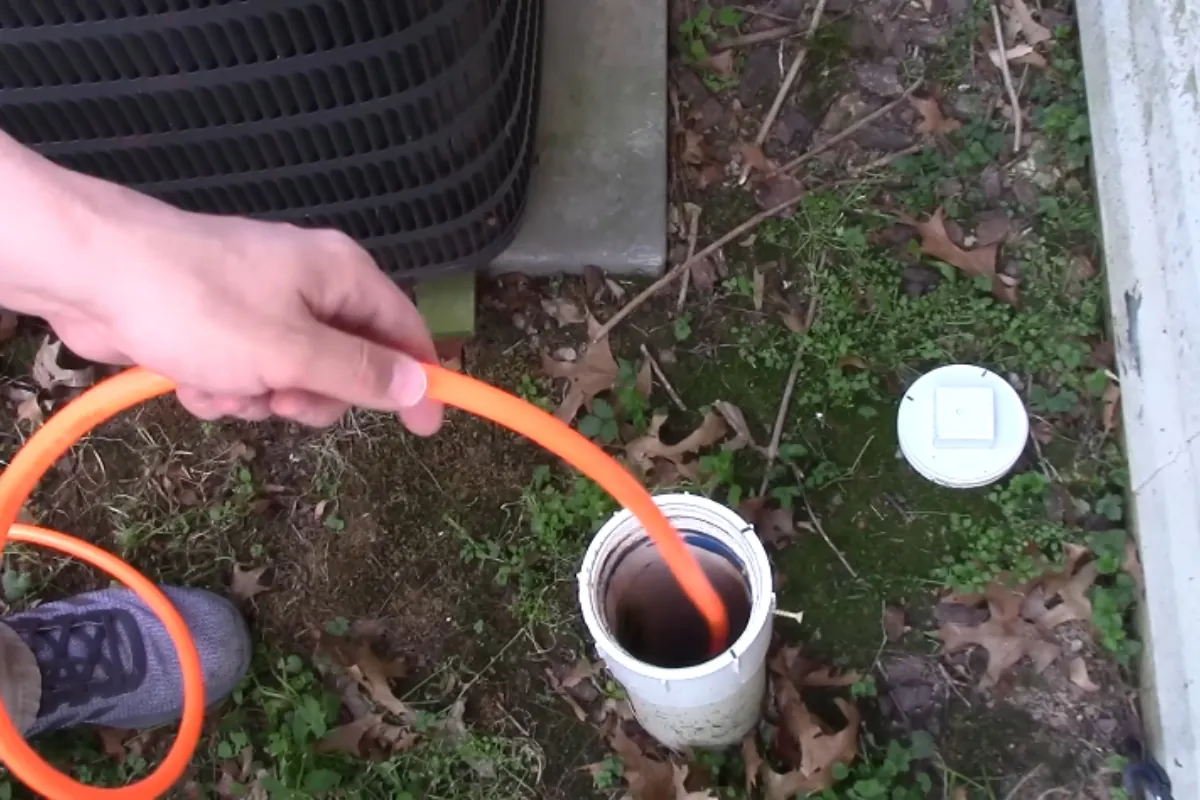
Hydro jetting is drain cleaning with high-pressure water instead of a steel cable. A cart or trailer-mounted jetter pumps water through a reinforced hose to a nozzle whose small openings aim mostly backward. Those rear jets pull the hose forward into the line and blast the pipe wall as it goes, sending loosened grease and debris downstream.
Residential jetters typically run somewhere around 1,500 to 4,000 psi, and the plumber chooses the nozzle and pressure for the pipe in front of them. A rotating nozzle handles grease and scale, a root-cutting nozzle handles fine roots, and older or thinner pipe gets lower pressure.
Because jetting reaches the full diameter of the pipe, it is also the standard way to prepare a line for a cured-in-place liner, which needs a clean wall to bond to.
Clog Back Again This Week?
Ask whether your line is a jetting candidate and what the camera should check first.
Compare
Cable Machine or Hydro Jetting?
Each tool has a job. The situation, not habit, should decide which one comes off the truck.
| Situation | Cable machine | Hydro jetting |
|---|---|---|
| First clog in a sink or tub | Usually enough | Rarely needed |
| Kitchen line with years of grease | Opens a channel only | Removes the buildup |
| Roots at lateral joints | Cuts them back | Cuts and flushes them out |
| Scale inside old cast iron | Limited effect | Scours the wall, with care on thin pipe |
| Preparing a line for lining | Not enough | Standard preparation |
| Cracked, broken or collapsed pipe | Clears it temporarily | Not recommended until repaired |
For a simple one-off clog, standard drain cleaning is faster and cheaper. Jetting earns its cost when the same line keeps clogging.
Honest Limits
When a Line Should Not Be Jetted
High-pressure water is powerful, which is the point, but it can break a pipe that is already failing. Cracked clay, badly corroded cast iron and Orangeburg can come apart under jetting pressure. That is why jetting an older Roswell lateral starts with a camera look at the pipe.
If the camera shows the pipe is structurally sound, jetting goes ahead. If it shows serious damage, full cleaning waits until the pipe is repaired or lined, and any temporary clearing is done gently with a cable.
This check matters most in the historic homes near Canton Street and in the older laterals running under big trees in the 1970s and 1980s subdivisions east of GA-400.
Cost
What Changes the Cost of Hydro Jetting
Jetting is quoted after the plumber knows which line, how long and how dirty.
Jetting is maintenance, so insurance generally does not pay for it. On busy commercial kitchen lines, jetting on a fixed schedule can cost less than repeated emergency clearing.
Tired of clearing the same clog? Call (770) 214-4545.
Questions
Hydro Jetting Questions From Roswell
Often, yes. A clog that returns within weeks usually means buildup along the pipe wall, which cabling leaves behind. A camera check confirms whether it is grease, scale or roots, and whether the pipe is sound enough to jet.
It can finish off pipe that is already cracked, badly corroded or made of soft material like Orangeburg. On sound pipe at a pressure suited to it, jetting is safe, which is why older lines get a camera inspection first.
It clears the roots inside the pipe and flushes them out, but roots can grow back through open joints. Sealing those joints with a liner is the long-term fix.
Yes, at a pressure matched to the pipe. PVC is smooth inside and handles jetting well.
For a house, only when it clogs repeatedly. Restaurants often jet on a set schedule based on how quickly grease builds up in their lines.
Yes, carefully and with limited water volume so the extra flow does not disturb the tank.
Active backups are cleared 24/7. Planned jetting is usually scheduled during daytime hours.
Sources for This Page
Pressure ranges reflect typical residential jetting equipment specifications. The link between jetting and liner preparation follows ASTM F1216 practice, which requires a cleaned host pipe. Pipe-material risks reflect the clay, cast iron and Orangeburg pipe that local plumbing contractors document in older Roswell laterals.
Written by the Roswell 24/7 Plumbing team and checked against the sources above. Last reviewed October 1, 2026.
Same Drain, Same Clog, Again?
Find out what is lining the pipe and clear all of it, not just the middle.
Call (770) 214-4545