First-Response Extraction and Drying
Water Mitigation in Roswell, GA
Fast extraction, moisture mapping and drying setup in the first hours after a Roswell home floods, to stop the damage from spreading. Calls on this page go to the water damage line.
- Answered 24/7
- Extraction and drying setup
- Daily moisture readings
Mitigation in One Look
Mitigation is the first phase of water damage restoration.
Water Mitigation
The First Hours Decide How Much Gets Torn Out
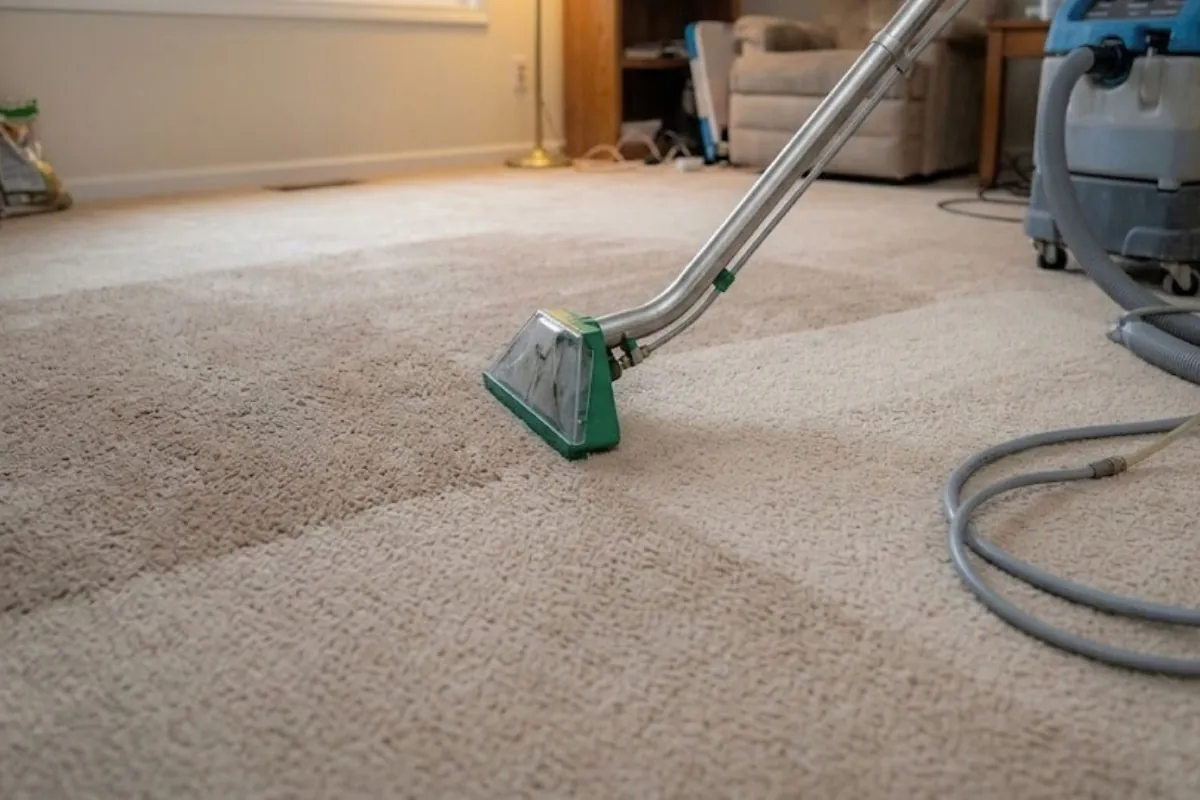
Water mitigation is the emergency phase of water damage work. Its job is to stop the damage from spreading: get the standing water out, find where moisture has traveled, remove materials that cannot be saved, and set up equipment to dry the structure. Full restoration and rebuilding come after.
The clock matters. Drywall, subfloor and insulation keep absorbing water for hours, and Georgia's humidity slows natural drying. A room that could have been dried in place on day one can need its lower drywall and flooring replaced by day three. That difference is what mitigation is for.
The number on this page connects to the water damage line for Roswell homes in 30075 and 30076, answered 24/7. If the leak is still running, the plumbing side is covered on the burst pipe repair page.
Phases
Mitigation Versus Restoration
They are two phases of the same job. Knowing which one you are in helps with the insurance claim.
| Mitigation | Restoration | |
|---|---|---|
| When | First hours and days | After the structure is dry |
| Goal | Stop further damage | Return the home to pre-loss condition |
| Typical work | Extraction, removal of soaked materials, drying setup, moisture monitoring | Drywall, flooring, paint, trim and cabinet repair or replacement |
| Measured by | Moisture readings reaching dry targets | Finished repairs |
| Insurance angle | Shows reasonable steps to prevent further loss | The rebuild portion of the claim |
Water Soaking Into the Floors Now?
Call the water damage line. The sooner extraction starts, the less has to be removed.
What to Do Before the Mitigation Crew Arrives
These steps protect the house and the claim.
- Shut off the water source. Close the main or the fixture shutoff if you can do it safely.
- Stay out of standing water near electricity. If water reached outlets or the panel, keep clear and contact your electric utility.
- Document first. Photograph and video the water, the source and damaged items before moving anything.
- Lift and move. Put furniture legs on foil or blocks and move rugs, electronics and papers to a dry room.
- Open up if it is dry outside. On a dry day, opening windows can help. On a humid Georgia day, keep them closed and leave it to the dehumidifiers.
Stay out of any water from a sewer backup or outdoor flooding, which should be treated as contaminated.
How Drying Is Measured, Not Guessed
Surfaces dry long before the inside of a wall or subfloor does. That is why mitigation relies on moisture meters and thermal imaging rather than touch. Readings are taken at the start, compared against dry reference points in unaffected parts of the house, and checked each day until wet materials reach their dry targets.
The equipment does the drying. Air movers push air across wet surfaces to speed evaporation, and dehumidifiers pull that moisture out of the air so it does not settle back into the house. In Roswell's humid summers, dehumidification is usually the limiting factor.
The industry reference for this work is the IICRC S500 standard for professional water damage restoration, which covers assessment, drying and verification. It is worth asking any provider how they document readings against it. Homes in nearby Sandy Springs near the Chattahoochee face the same humidity challenges during drying.
Cost
What Affects the Cost of Water Mitigation
Mitigation is usually billed by the equipment, labor and materials the job actually needs.
Most homeowners policies expect you to prevent further damage after a loss, and prompt mitigation with documented readings is how that is shown.
Need water extracted now? Call (833) 521-1033.
Questions
Water Mitigation Questions
Mitigation is the first phase: stopping the damage from getting worse by extracting water, removing what cannot be saved and setting up drying. Restoration is the whole job, including rebuilding. Mitigation is about the first hours and days. Full restoration is covered on our water damage restoration page.
Often several days, depending on how much water there was, what materials got wet and the conditions in the house. Drying is verified with moisture readings, not by how the surface looks or feels.
Usually, yes, unless the water was contaminated, the damage is widespread or power has to stay off. The drying equipment is loud and runs around the clock, so some families prefer to stay elsewhere for a few nights.
Most homeowners policies include a condition that you take reasonable steps to protect the property from further damage after a loss. Prompt mitigation is how that is usually done, and the documentation helps the claim.
Water wicks up drywall and collects in wall cavities. Removing baseboards and a strip at the bottom of the wall lets air reach the cavity so it dries, and it removes material that absorbed contaminated water.
No. Air movers and dehumidifiers work continuously. Turning them off lets moisture settle back into materials and lengthens the drying time.
Sources for This Page
Drying assessment and verification practices reference the IICRC S500 Standard for Professional Water Damage Restoration. Insurance notes reflect common homeowners policy conditions requiring reasonable steps to prevent further loss. Humidity conditions reflect Georgia's warm, humid climate.
Written by the Roswell 24/7 Plumbing team and checked against the sources above. Last reviewed October 1, 2026.
Standing Water in the House?
Call the water damage line. Extraction and drying setup are dispatched 24/7 in Roswell.
Call (833) 521-1033